In This Article
- Why traditional email is failing schools.
- The power of real-time, bite-sized updates.
- Overcoming language barriers with AI translation.
Table of Contents
The Disconnect in the Digital Age
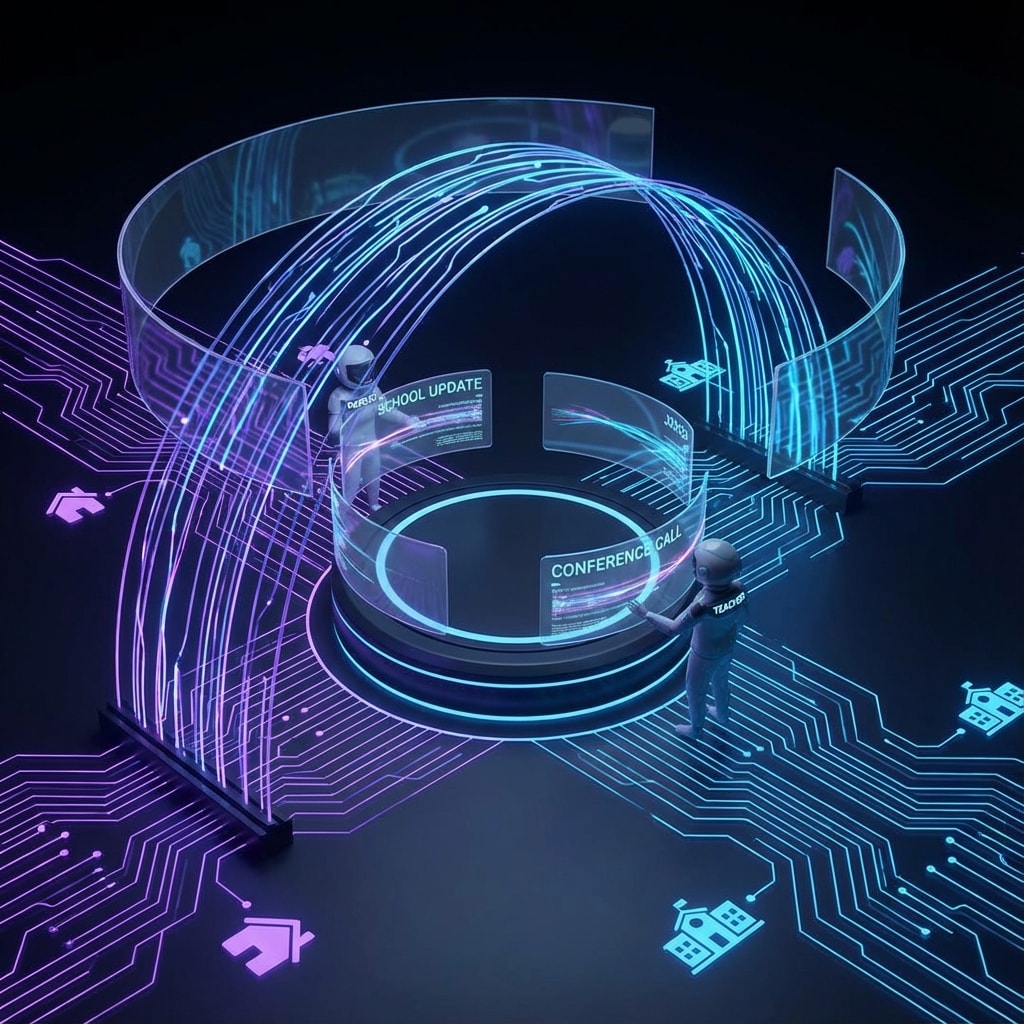
It's an irony of the modern age: we are more connected than ever, yet the bridge between home and school often feels broken. Buried emails, missed calls, and crumpled newsletters at the bottom of backpacks are relics of a bygone era. Parents want to be partners in their child's education, but the tools haven't kept up.
Real-Time Connection, Real-Time Impact
Imagine a world where a parent knows their child aced a quiz the moment it happens, not weeks later at a parent-teacher conference. Real-time communication builds a feedback loop that reinforces positive behavior and addresses challenges immediately.
"Engagement isn't about sending more messages; it's about sending meaningful ones. A photo of a student's project is worth a thousand emails."
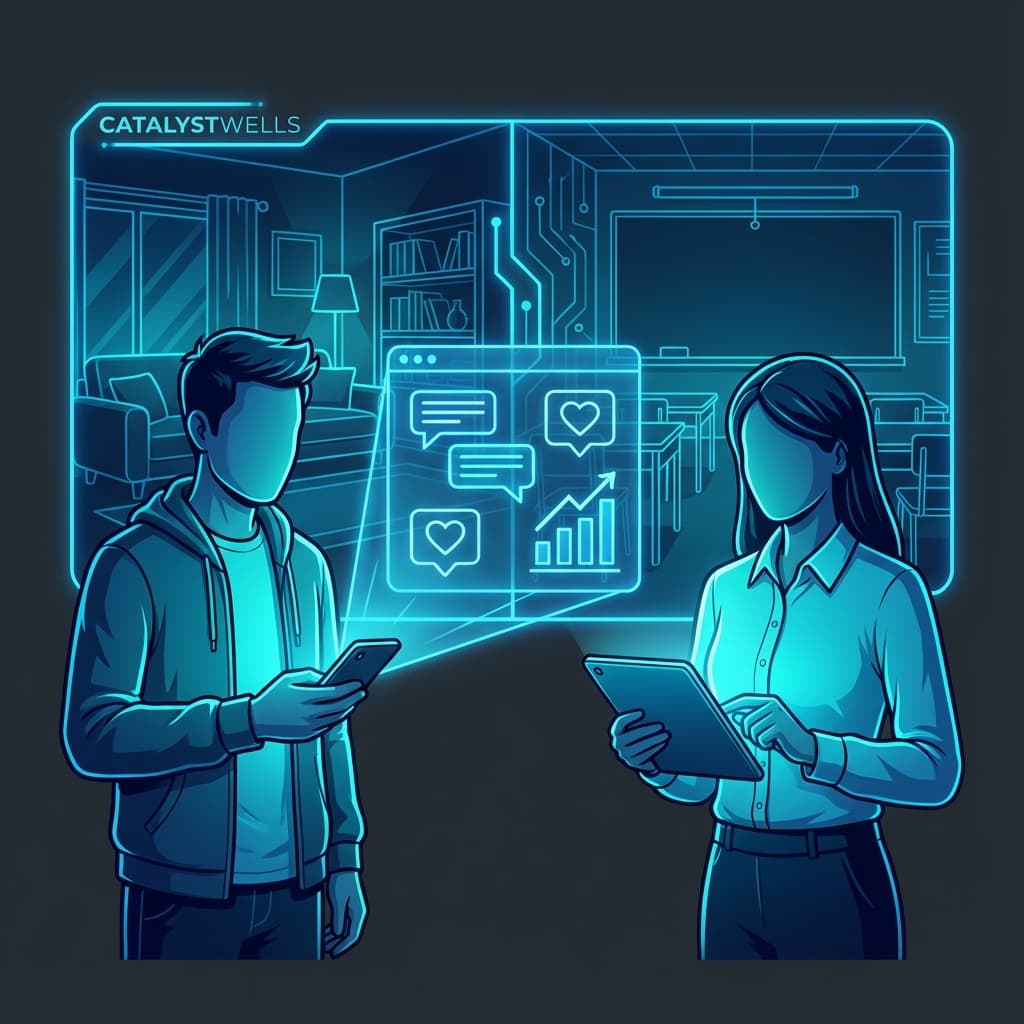
Modern platforms like CatalystWells are replacing sporadic emails with continuous, meaningful streams of information. This isn't just about grades; it's about sharing moments—a photo of a science project, a video of a presentation, a quick note about a kind act.
Breaking Down Language Barriers
In our increasingly diverse communities, language should never be a barrier to engagement. AI-powered translation tools are now essential features of school communication platforms. A teacher can write a message in English, and a parent can read it in Spanish, Mandarin, or Arabic, ensuring that every family is included in the conversation.
📊 Stat Check
Schools using automated translation tools see a 40% increase in engagement from non-native English speaking families.
Automated Insights
Teachers are busy. Crafting individual emails for 30 students is impossible. AI can help draft personalized progress summaries based on performance data, allowing teachers to review, edit, and send updates in a fraction of the time. This keeps parents informed without burning out educators.